
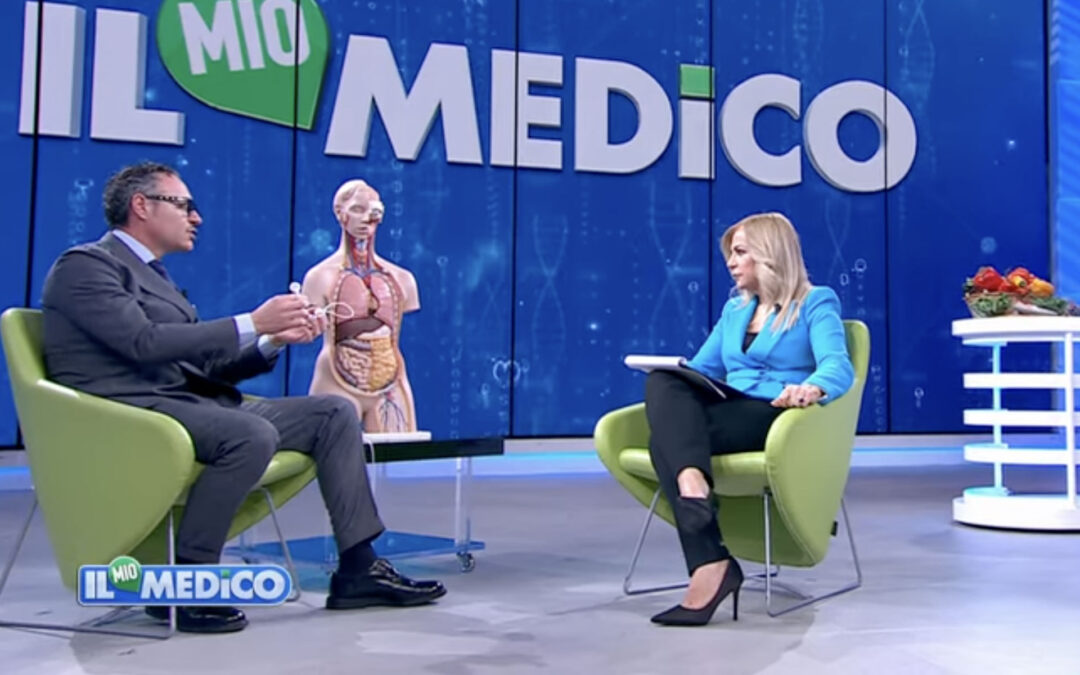
Today on Il Mio Medico, Prof. Pierluigi Bove addressed a very common topic that is still discussed far too little: urinary incontinence.
It affects mainly women after the age of 60–65, but it also concerns many men, especially after prostate surgery.
“It’s not a disease, but a symptom. And above all, it’s not an inevitable consequence of ageing,” Prof. Bove explains.
Clear facts:
- about 1 in 3 women over 65 report episodes of incontinence
- less than half talk about it with a doctor
- the impact on quality of life, sleep, relationships, and sexuality is often significant
There are different forms (stress, urge, mixed) and well-defined pathophysiological mechanisms:
- sphincter underactivity
- detrusor overactivity
Video: Il Mio Medico (TV2000) – Innovative techniques to treat urinary incontinence
Diagnosis follows a structured pathway.
Treatments are step-by-step: rehabilitation, medications, outpatient procedures, and minimally invasive surgery when indicated. Today, success rates are high and solutions are personalized.
The most important message is simple:
- don’t resign yourself to it.
- don’t feel embarrassed.
- the earlier you act, the better the results.
“Talking about incontinence means talking about dignity, autonomy, and quality of life,” Prof. Bove concludes.
References:
urinary incontinence, female urinary incontinence, male urinary incontinence, incontinence after prostate surgery, incontinence after prostatectomy, stress urinary incontinence, urge urinary incontinence, mixed urinary incontinence, detrusor overactivity, urethral sphincter underactivity, causes of urinary incontinence, urinary incontinence diagnosis, urologic visit for incontinence, diagnostic pathway for incontinence, urodynamic testing, pelvic floor rehabilitation, pelvic floor physiotherapy, pharmacological therapy for incontinence, outpatient treatments for incontinence, minimally invasive incontinence surgery, female sling, urethral bulking agents, artificial urinary sphincter, quality of life and incontinence, sleep problems and incontinence, sexuality and incontinence, incontinence and embarrassment, when to see a urologist, functional urology, incontinence prevention, Prof. Pierluigi Bove, urologist in Rome, medical communication

